
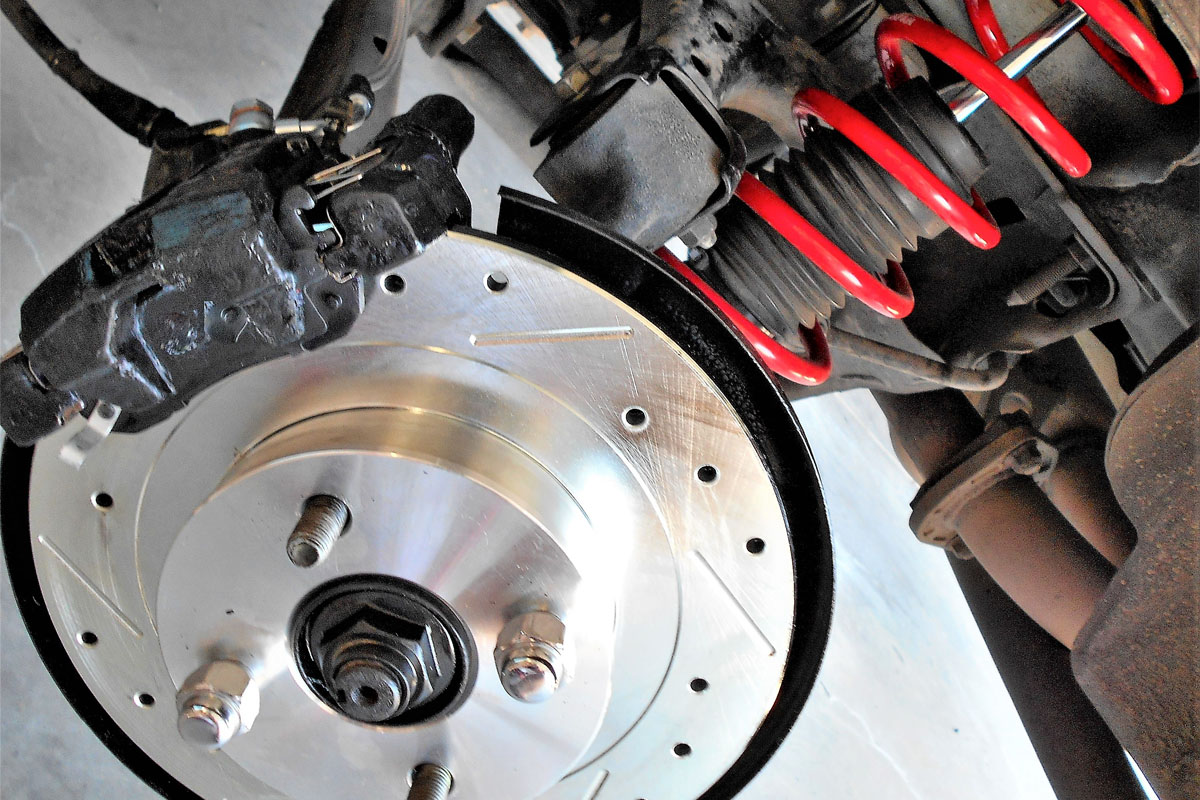
A vehicle’s suspension is a partnership of springs, shocks, struts, and other parts that serve to steady your vehicle’s platform while absorbing surface irregularities to help maintain driving comfort. Suspension systems usually require only slight maintenance. Nevertheless, as with any of a vehicle’s moving parts, the suspensions parts can after a while wear out. The following are the 10 significant signs that indicate your vehicle’s suspension might require service.
10 Signs Your Suspension Is Going Bad
The following are some of the signs that your vehicle suspension is failing.
1. Difficulty Steering
When driving, your vehicles steering wheel must be steady and straight in the road. The suspension and steering systems work hand in hand, so if your steering wheel feels shaky, loosened, or unusually stiff, the issue could be with the suspension itself.
2. Vehicle Pulling to One Side
If the vehicle is pulling to the left or right when driving, it could be an indication that your front wheels are out of alignment, or another component of the suspension is failing. Extended driving with misaligned wheels is going to put a lot of stress on other suspension components, causing them to eventually fail. While pulling is frequently alignment-associated, it can also be from tire or brake issues. Nevertheless, have it looked at.
3. Excess and Uneven Tire Wear
Even though some instances of irregular tire wear come from inadequate tire pressure, the cause is usually a faulty suspension. Impaired bushings and ball-joints can allow alignment to shift. Worn-out shocks and struts could cause scalloping by losing control of tire movement.
4. Leaking Around Shocks and Struts
Fluid leaking from the area around your tires might be from the shocks and/or struts. When the shock or strut body is soaked with oil, that indicates a damper leak. It is recommended to head to a service and repair shop sooner than later when encountering a leak above or around your tires since it could be your brake fluid.
5. Unusual Noises
If you unexpectedly notice squeaking, knocking, or clunking sounds when you drive over bumps, it’s usually an indication that one or more suspension parts are, or could be failing.
6. Vehicle Bounces After a Speed Bump
Speed bumps help guarantee you are obeying the speed limit, specifically in residential areas with high pedestrian traffic. Nevertheless, it could also serve as an early warning system that your suspension is starting to fail. For instance, if your vehicle continually bounces after going over one, worn springs or struts could be at fault.
As the suspension starts to wear out, the springs, shocks, and struts could lose their flexibility. Therefore, they do not rebound as well as they used to.
A fast way to test if your vehicle’s suspension is going bad is by pushing down on its rear bumper when parked. After you let go, it should go back to the original position. However, if it is bouncy and doesn’t go back to its normal position, it’s an indication that the suspension might be failing.
7. Vehicle Leaning to One Side
One side or one corner of a vehicle resting lower than the other is typically an indication that an impaired spring is causing the vehicle to lean, or list.
8. Unusual Swaying or Body Roll
Un due swaying or body roll when going around corners indicates the suspension is not correctly stabilizing the vehicle. This is usually an indication that suspension parts are starting to fail.
9. Diving or Squatting
If, throughout normal braking, your front end dips a little too much or dives more than it should, it’s a clear indication of suspension failure. This also holds true when normally accelerating, the rear end starts to squat. Most frequently, worn shocks or struts are at fault.
10. Bottoming Out
In severe cases, the suspension system can no longer completely support the vehicle’s weight, and the chassis is going to come into contact with the road with each small bump. This is known as bottoming out. As it starts to get more detrimental, it also places other mechanical components, like the oil pan and transmission, endangered. It’s also a safety matter since you could lose control of steering. To make it to the point of bottoming out, you’ve unquestionably disregarded one or more of the other warning indicators listed above. You certainly should not disregard this one.
Land Rover Repairs By Rov-N-Techs In Scottsdale, Arizona
Rov-N-Techs performs all factory recommended services on Land Rovers & Jaguars at affordable prices! Master Technicians, Joe Caraway and Kevin Curtis worked at Land Rover of North Scottsdale for 10 years before opening their own shop in 2006 under the name of “Rover Techs”. Now known as “Rov-N-Techs” Joe and Kevin offer over 35 years of combined Land Rover experience. Contact us today!